Merging two product systems through acquisition
I led the convergence of Decibel’s Plectrum design system into Medallia’s Alchemy foundations—standardising the enterprise shell while preserving specialist analytics capability.
Case study summary
- Impact
-
- 31% higher satisfaction
- 29% higher task completion
- 32% growth in the largest post-acquisition quarter
- System scope
-
- Plectrum design system
- Alchemy foundations
- Enterprise navigation
- Specialist analytics
- Company
- Decibel / Medallia
- Ownership
-
- Systems integration
- Design-system governance
- Product architecture
- Cross-team alignment
The decision I owned
Treat acquisition as systems integration
Converge shared foundations; preserve specialist capability only where it earns the exception.
The visible issues—onboarding, inconsistent components and weak information architecture—were manifestations of a deeper conflict. A specialist analytics product was entering a larger enterprise platform with a different navigation model, component system and governance standard.
Two systems, different jobs
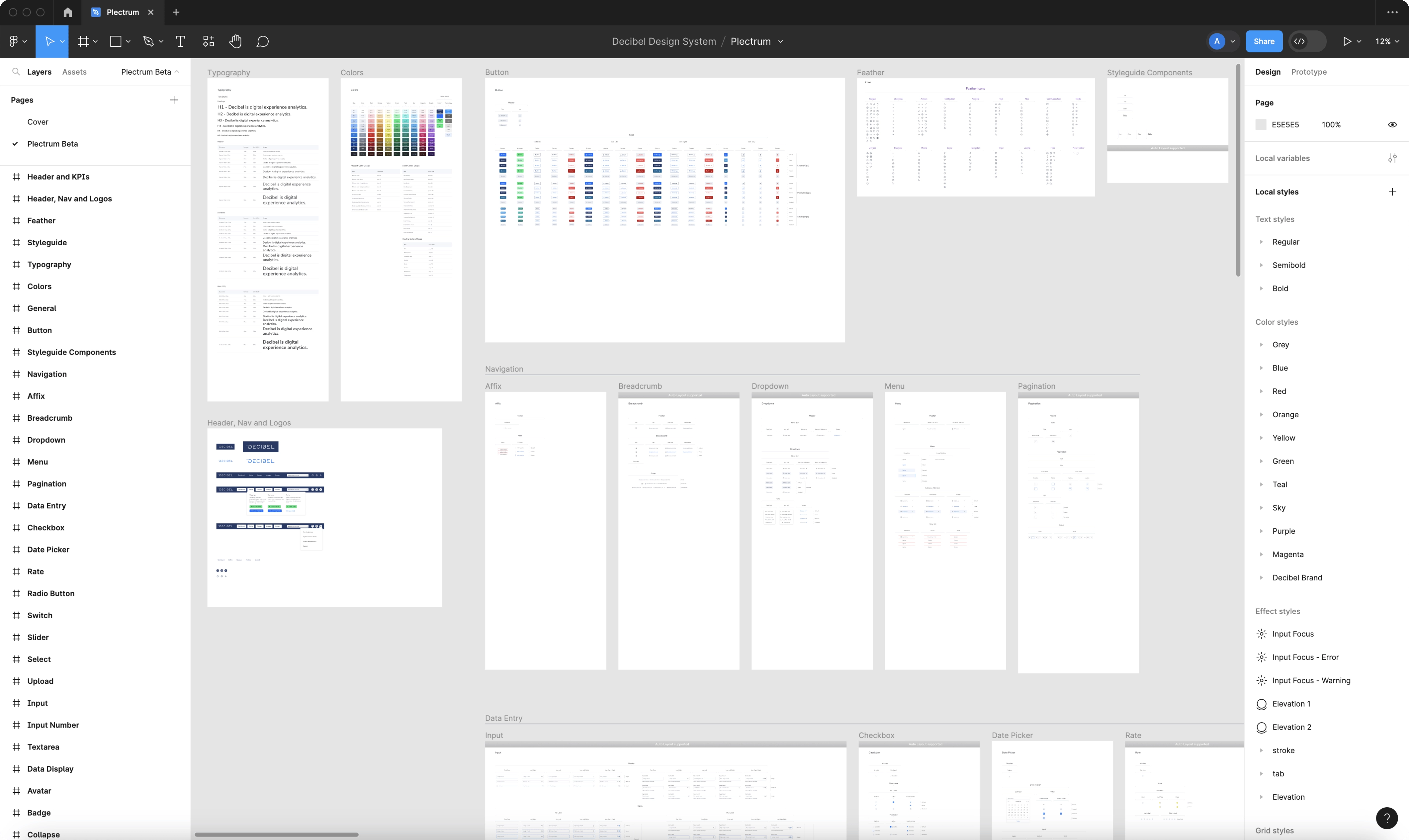
- Plectrum
- Specialist, high-density analytics components and Decibel-specific interaction patterns.
- Alchemy
- Global enterprise foundations, typography, navigation and platform-shell requirements.
Options and trade-offs
| Path | Benefit | Risk |
|---|---|---|
| Keep Decibel independent | Protects short-term delivery speed. | Creates permanent fragmentation and duplicated foundations. |
| Force full replacement | Maximum visual consistency. | Damages specialist workflows and increases migration risk. |
| Governed convergence | Shared foundations with explicit exceptions for product-specific capability. | Chosen: requires alignment work, but balances coherence and specialist value. |
The system I established
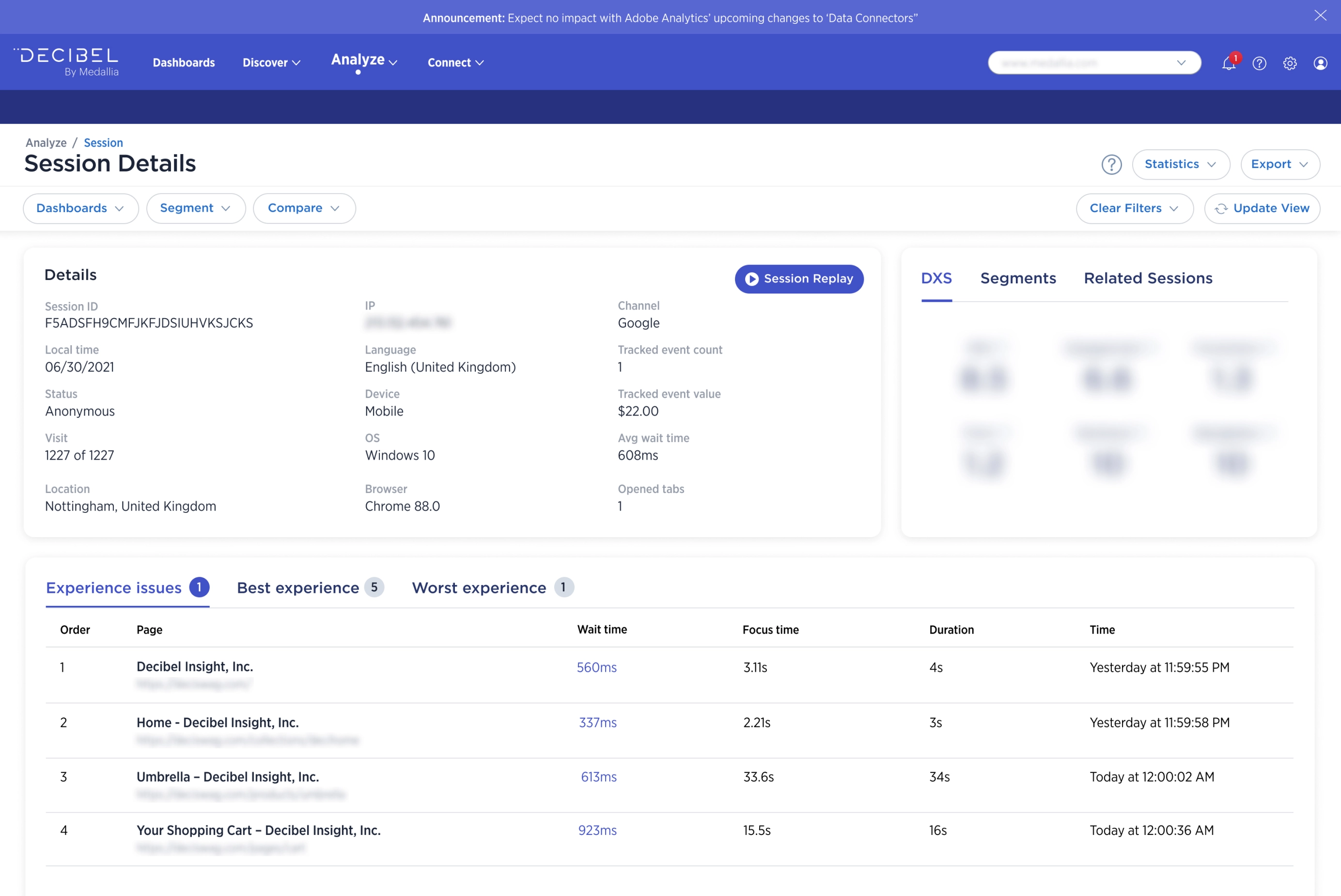
I introduced four explicit migration treatments so every component had a reasoned destination rather than an aesthetic preference.
| Treatment | Examples |
|---|---|
| Converged | Buttons, input fields, typography scales and colour tokens. |
| Adapted | Data tables, side navigation and modal containers. |
| Preserved | Heatmap overlays, session player and journey maps. |
| Retired | Legacy header, custom scrollbars and the first icon set. |
- Shared foundationsUnify global navigation and core layout grids immediately.
- Product-specific capabilityPreserve and adapt analytics interactions that carry specialist value.
- Governance modelRequire evidence and review for exceptions to shared foundations.
Driving alignment
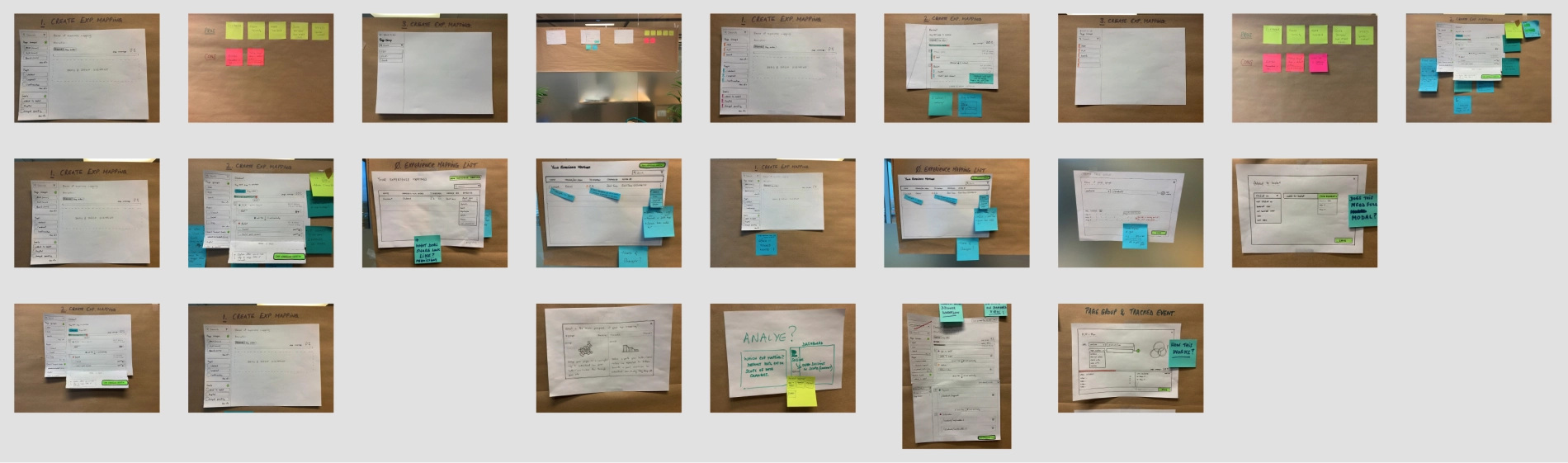
The governance model only worked if Product and Engineering could use it. I facilitated workshops that made conflicts explicit, separated platform standards from genuine product requirements, and gave teams a repeatable way to decide rather than escalating every difference.
Business and UX impact
- 31%
- Higher customer satisfaction.
- 29%
- Higher task completion.
- 32%
- Growth in the largest post-acquisition quarter.
- Reusable foundations
- Less duplication and a clearer route for future product integration.